
Sensory Issues in Autism Spectrum Disorder (ASD)
Sensory issues are a common feature of Autism Spectrum Disorder (ASD) and can impact significantly on an individual’s daily life and overall well-being. People with ASD may experience sensory processing challenges in terms of being hyper-sensitive (i.e., have heightened responses to certain sensory input) or hypo-sensitive (i.e., under-responsive to certain sensory stimuli)1. Given the heterogeneous nature of autism, these sensory challenges can manifest in different ways among those on the spectrum.
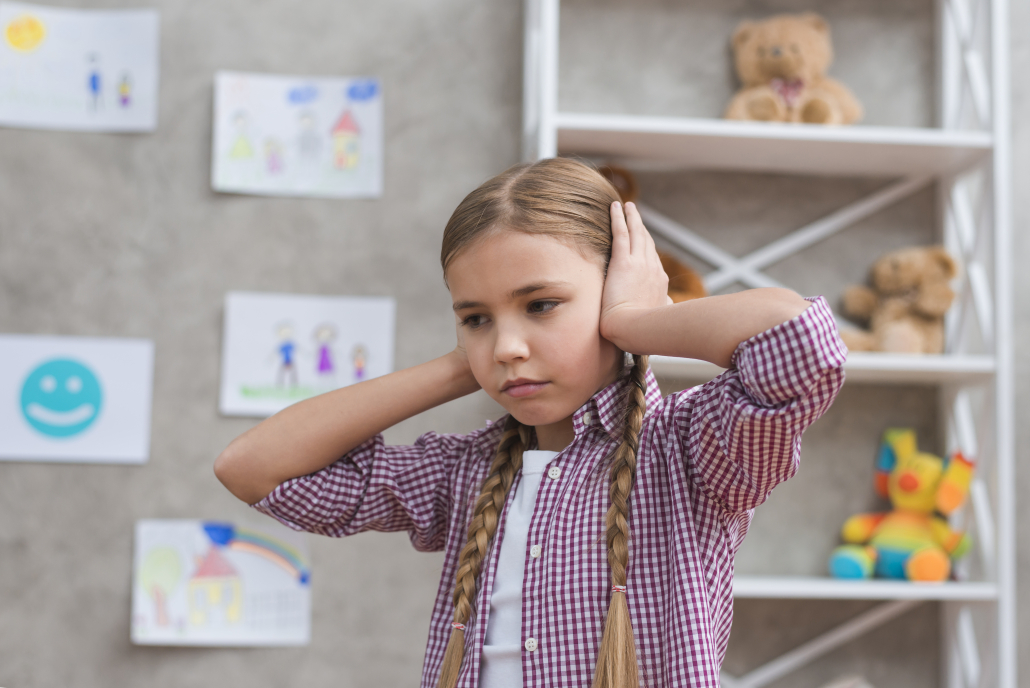
- Sensory Overload: Many individuals with ASD experience heightened sensitivity to sensory stimuli, which can often lead to sensory overload. This can include heightened sensitivity to bright lights, loud noises, certain textures, and/or strong smells and tastes. Everyday environments, like crowded and noisy places (such as classrooms and work environments) can be overwhelming for the individual, and can lead to elevated levels of anxiety, or even meltdowns. Learning to recognise sensory triggers and making relevant adjustments can greatly help reduce the individual’s level of stress and overload.
- Sensory Seeking Behaviours: Some individuals with ASD engage in sensory-seeking behaviours such as spinning, flapping, or touching objects with particular textures. These behaviours serve as a way for the individual to stimulate their sensory systems. For example, a child with ASD may find stillness uncomfortable, and they may rock back and forth, or jump up and down to help alleviate their discomfort. Identifying the individual’s specific sensory needs and preferences can help parents and educators incorporate calming or stimulating activities into the child’s routine, which in turn can help enhance their focus and emotional regulation.
- Sensory Experiences of Pain: Individuals with autism can experience varying responses to pain, ranging from very low to a very heightened sensitivity. This is consistent with their sensory processing differences, where they may be hyper- or hypo-sensitive to other stimuli. These variations in perception can affect how they experience pain and discomfort and respond to injury or medical procedures. Being aware of and understanding these differences is crucial for providing appropriate care and support in both everyday situations and clinical settings2.
- Impact on Daily Activities: Sensory sensitivities can make everyday tasks challenging for individuals on the spectrum. For example, a heightened sensitivity to certain clothing textures can cause distress and a refusal to wear particular items of clothing, while an aversion to certain food textures, smell or tastes can result in restricted eating habits. Individuals with ASD can also have difficulty staying focused in noisy or visually overwhelming settings, which can affect their level of engagement3,4. Working with certain professionals, such as occupational therapists (who have a specialism/expertise in the area of autism), can help alleviate such difficulties.
- Sensory Issues and Learning: Sensory challenges can also impact the individual’s ability to learn, particularly in educational settings like school or college5. Noise in the classroom, uncomfortable seating, or harsh lighting can distract or overwhelm the individual making it difficult for them to concentrate. Educators can create sensory-friendly learning environments by making relevant visually and auditory adaptions, providing movement breaks (as/when required), and offering other relevant support to aid the individual’s learning and development.
Evidence-Based Interventions & Support Strategies
- Sensory Integration Therapy: Sensory integration therapy is often recommended for those with ASD to help them manage sensory challenges. This type of therapy focuses on helping the individual respond to sensory input in a more adaptive way, improving their ability to engage with their surroundings. These sessions are typically led by an Occupational Therapist or other professional who guides the individual through activities that stimulate or calm their sensory systems. Over time, this can help reduce the impact of sensory sensitivities on daily life.
- Personalised Strategies: Individuals with ASD can experience sensory input differently, which makes it important to develop personalised strategies for managing sensory challenges. Observing and monitoring the individual’s reactions to various stimuli can help identify triggers and preferred sensory experiences. Tools such as noise-cancelling headphones, weighted blankets, or sensory-friendly clothing can be very beneficial in creating a comfortable environment. Tailoring strategies to the individual’s unique needs can significantly enhance their comfort and ability to engage in daily activities.
Understanding and addressing the sensory challenges experienced by individuals with ASD is important for their physical and psychological well-being and overall quality of life. Whether the individual experiences hypersensitivity or hyposensitivity to sensory input. it is important to provide support for their specific needs. Sensory integration therapy, personalised strategies, and autism-friendly environments, can all help individuals with ASD navigate the sensory world more effectively and comfortably.
A list of professionals who work with individuals with ASD who experience sensory issues can be found here.
— The Autism Hub Team, 09/10/2024
References
- Kirby, A. V., Bilder, D. A., Wiggins, L. D., Hughes, M. M., Davis, J., Hall-Lande, J. A., et al. (2022). Sensory features in autism: Findings from a large population-based surveillance system. Autism Research, 15(4), 751-760. doi: 10.1002/aur.2670
- Rubio, A. O., Ayuso, D. N. de M. R., Sánchez, I. T., Martos, I. C., Torres, J. R., López, L. L., & Valenza, M. C. (2023). Pain experiences of people diagnosed with autism spectrum disorder: A systematic review of case–control studies. American Journal of Occupational Therapy, 77(2), 7702185020. doi.org/10.5014/ajot.2023.050050
- Travers, B. G., Lee, L., Klans, N., Engeldinger, A., Taylor, D., Ausderau, K., Skaletski, E. C., & Brown J. (2022). Associations among daily living skills, motor, and sensory difficulties in autistic and nonautistic children. American Journal of Occupational Therapy, 76(2):7602205020. doi: 10.5014/ajot.2022.045955.
- Hantman, R. M., Johnston, E. B., & Tager-Flusberg, H. (2024). Parental perspectives: How sensory sensitivities Impact the transition to adulthood in adolescents and young adults with autism spectrum disorder. Journal of Autism and Developmental Disorders, 54, 544–562. doi: 10.1007/s10803-022-05815-5.
- Jones, E. K., Hanley, M., & Riby, D. M. (2020). Distraction, distress and diversity: Exploring the impact of sensory processing differences on learning and school life for pupils with autism spectrum disorders. Research in Autism Spectrum Disorders 72, 1015. doi:10.1016/j.rasd.2020.101515


